CIBIL Full Form and Meaning: What Your Score Really Says
❤️ Spread the Love
What is the full form of CIBIL?
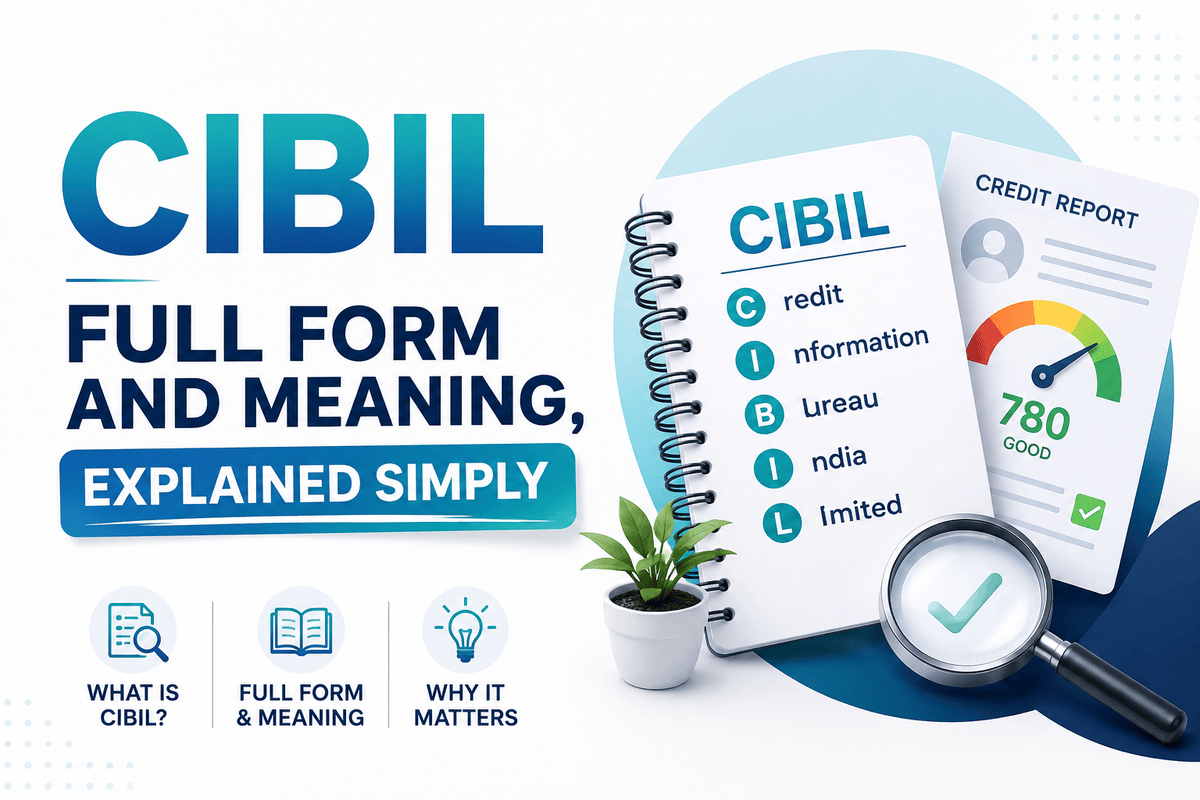
Quick Answer: CIBIL stands for Credit Information Bureau (India) Limited, India’s first credit bureau, now part of TransUnion. Your CIBIL score is a three-digit number from 300 to 900 that summarises your credit history, and 750 or above is generally considered good.
There is a common misunderstanding around the words CIBIL and credit score. Many people use them as if they mean the same thing and casually say, “Check my CIBIL score.” But technically, CIBIL is not the name of a credit score.
CIBIL stands for Credit Information Bureau (India) Limited, a credit information company that maintains credit records and provides credit information services. A credit score, on the other hand, is a three-digit number calculated from information in your credit history.
The confusion exists because TransUnion CIBIL provides a credit score, which is commonly called a “CIBIL Score”. This has made the term popular in everyday conversations, even though CIBIL and credit score refer to two different things.
In simple terms: CIBIL is the bureau; your credit score is the number. Understanding this difference is the first step to understanding what CIBIL actually means, what your credit report contains, and how lenders assess your credit history.
What does CIBIL mean?
CIBIL is the name most Indians use when talking about their credit score or credit report. Technically, however, CIBIL is the credit bureau, while your CIBIL Score is the three-digit number generated from information in your credit history.
TransUnion CIBIL collects credit information reported by banks and other credit institutions. This information is used to create credit reports and scores that lenders can use when assessing applications.
So, when someone says, “Check your CIBIL,” they may actually be referring to two different things:
CIBIL Score: The three-digit number that summarises your credit history.
CIBIL Report: The detailed record of your credit accounts and repayment history.
Understanding this difference makes it easier to understand what your score actually tells a lender.
What is a CIBIL Score?
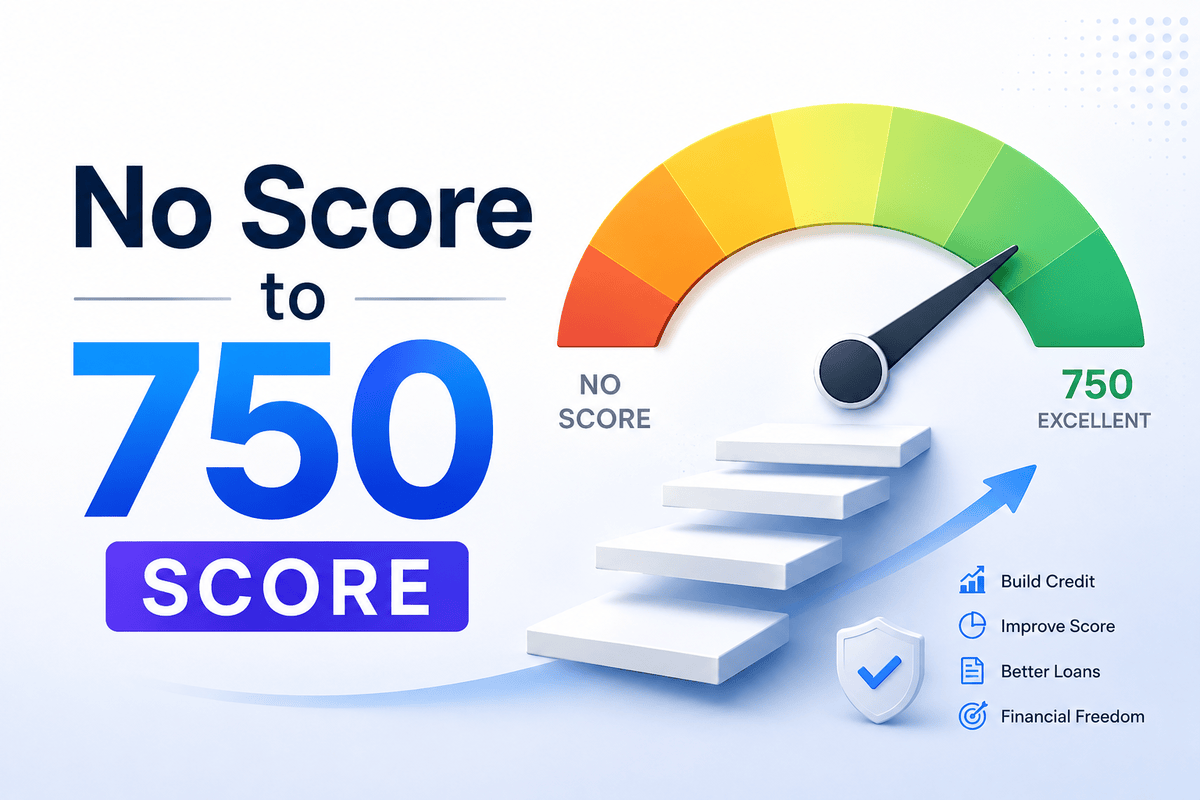
A CIBIL Score is a three-digit number between 300 and 900 that reflects your credit history based on the information available in your CIBIL credit report.
It does not simply tell a lender whether you are “good” or “bad” with money. Instead, it gives lenders a quick indication of how you have handled credit in the past.
Your credit history can include information about loans and credit cards, repayment records, outstanding amounts and other credit-related details reported by member institutions.
A higher score generally indicates a stronger credit history, but there is no single score that guarantees loan or credit card approval. Lenders can also consider your income, existing obligations, employment or business details, the type of credit you are applying for and their own lending policies.
What does your CIBIL Score range mean?
The following score bands provide a simple way to understand where your score sits, although lenders may have their own eligibility criteria and there is no universal approval cut-off.
Credit Score | What it generally indicates |
300–549 | Low score; improving your credit habits may be important |
550–649 | Below the range many lenders may prefer |
650–749 | Fair to good, depending on the lender and application |
750–900 | Generally considered a strong score |
A score of 750 or above is generally considered good, but your score should not be viewed in isolation. A lender may still approve or reject an application based on your complete credit profile and its internal criteria.
What is a CIBIL Report or CIR?
A Credit Information Report (CIR) is a detailed record of your credit history. It contains information reported by credit institutions about your borrowing and repayment activity.
Your report can help you understand why your score is where it is because it contains more information than the score itself.
Depending on the information reported, your credit report can include details such as:
Credit accounts, including loans and credit cards
Outstanding balances
Repayment information
Accounts that have been closed
Credit enquiries made by lenders
Personal information used to identify your credit profile
This is why checking only your score may not be enough. If something looks wrong, the report can help you identify the account or information that needs attention.
For example, if you see an account you do not recognise or a payment marked incorrectly, reviewing the underlying report gives you more information to investigate the issue.
Why do lenders check your CIBIL Score?
When you apply for a loan or credit card, the lender wants to understand the risk involved in extending credit to you. Your credit history gives it information about how you have handled credit in the past.
A CIBIL Score provides a quick view of that history, while the credit report gives lenders more detailed information.
Lenders may use your credit information when assessing applications for products such as:
Personal loans
Home loans
Car loans
Credit cards
The score is one part of the lending decision, not the entire decision.
For example, two people with the same CIBIL Score may receive different loan offers because their income, existing debt, employment situation, loan amount or other details may differ.
How can you check and improve your CIBIL Score?
Checking your credit report is a useful first step because it helps you understand what information lenders may see about your credit history. From there, you can focus on habits that support a healthier credit profile.
Here are some practical habits that can help you manage your credit better:
1. Pay your EMIs and credit card bills on time:
Your repayment record is an important part of your credit history. Missing payments or repeatedly paying late can negatively affect your credit profile, so make your due dates a priority.
2. Keep your credit card spending under control:
Using a large portion of your available credit can make your credit profile look more stretched. Try to keep your outstanding balance manageable instead of regularly reaching your credit limit.
3. Avoid applying for credit unnecessarily:
Every time you apply for credit, a lender may make an enquiry into your credit report. Applying for several loans or cards within a short period can therefore be unhelpful.
4. Check your credit report for errors:
An incorrect account, repayment entry or personal detail can affect the information associated with your credit profile. Review your report and raise a dispute with the relevant institution if you find an error.
5. Give your credit history time to grow:
A healthy credit profile is built through consistent behaviour rather than a quick fix. Paying on time, managing existing credit carefully and avoiding unnecessary borrowing can help you build a stronger history over time.
CIBIL vs credit score: Are they the same thing?
No. CIBIL and a credit score are not exactly the same thing.
CIBIL refers to the credit information company, while the CIBIL Score is the three-digit score associated with your credit history.
India has multiple credit information companies, including TransUnion CIBIL, Experian, Equifax and CRIF High Mark. Each can provide credit information and scoring services under the applicable regulatory framework.
So, saying “my CIBIL is 780” usually means “my CIBIL Score is 780.”
The distinction is small in everyday conversation but important when you are trying to understand how credit reporting actually works.
How Credit Assist can help you understand your credit?
Knowing your CIBIL Score is useful, but knowing what is affecting it is even more valuable.
Credit Assist helps you become more aware of your credit profile and make better-informed decisions around borrowing, repayments and credit management.
Instead of treating your score as just a number, the goal is to understand your credit better and build habits that keep you credit-ready.
Conclusion:
CIBIL is more than just a number you see before applying for a loan. Your score reflects your credit history, while your report shows the details behind it. Understanding both can help you make smarter borrowing decisions and manage credit with confidence.
Want to understand your credit better? Explore Credit Assist.
Frequently Asked Questions
What is the full form of CIBIL?
What is a good CIBIL Score?
What is the CIBIL Score range?
Is CIBIL the same as a credit score?
Who owns CIBIL?
About the Author
Khushi Mishra
@khushi.mishra@paymeindia.in
View all posts →