How to Build Your First CIBIL Score from Zero

❤️ Spread the Love
Introduction
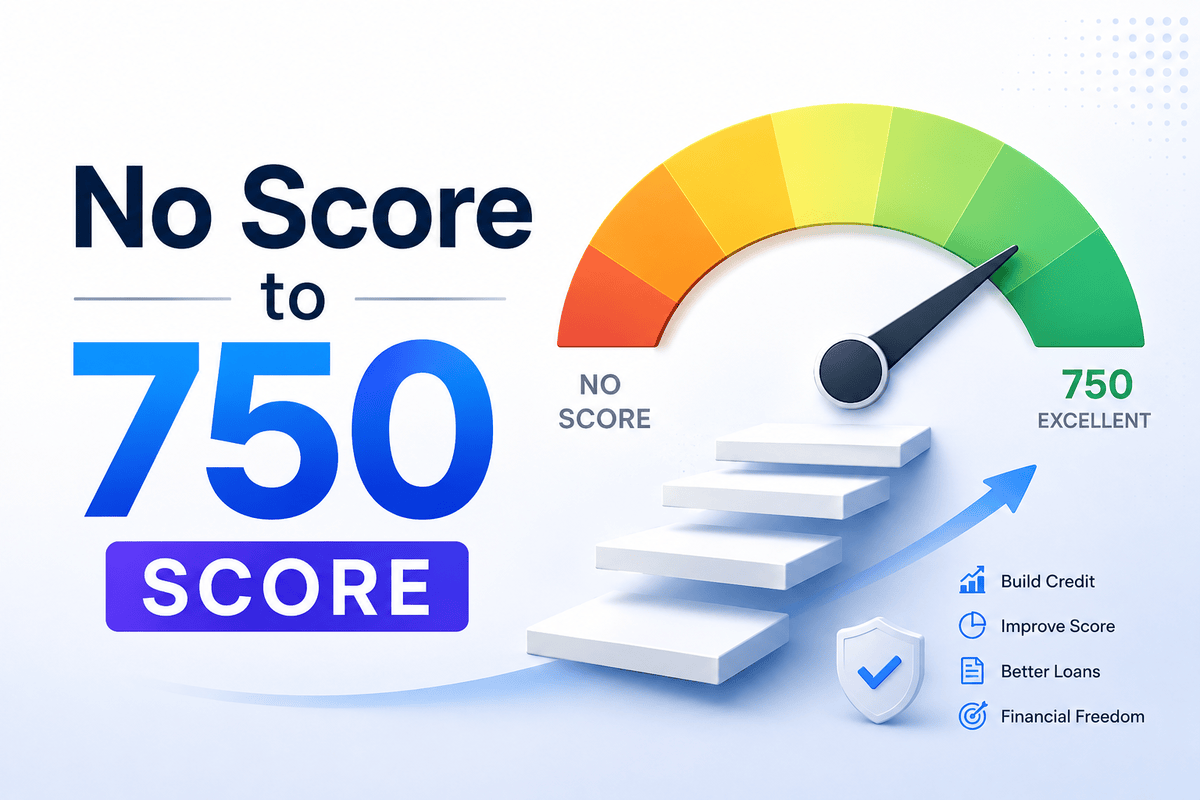
Here's a frustrating catch-22 that millions of Indians run into: you can't get credit without a credit history, and you can't build a credit history without credit.
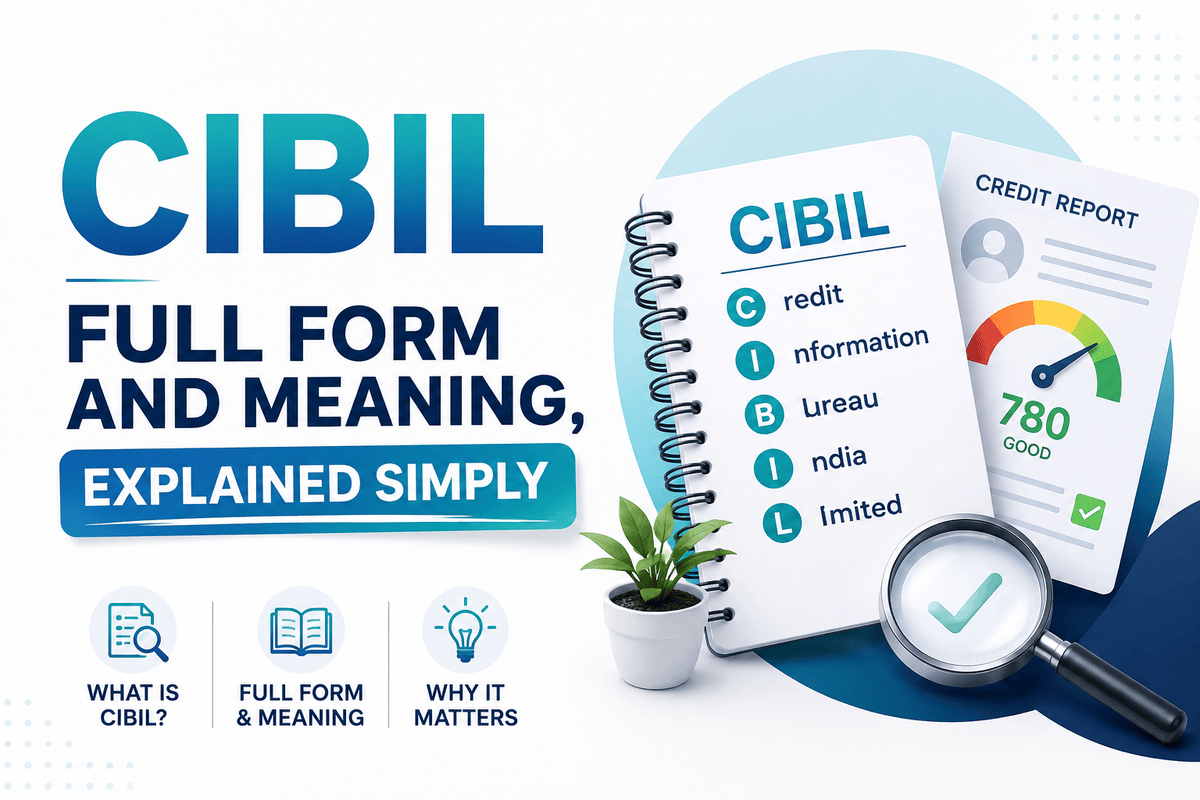
You have a stable salary. You pay rent on time. Your bank balance is healthy. But when you apply for your first credit card or loan, the bank pulls your CIBIL report and finds nothing. A blank file. And to most lenders, no history reads almost as badly as bad history, because they have no evidence you can repay anything.
The numbers make the stakes clear. According to TransUnion CIBIL, nearly 79% of approved loans go to people with a score above 750. If you have no score at all, you're not even in the queue. This guide shows you how to get into it.
What Does "No Credit History" Mean?
If you've never taken a loan or used a credit card, CIBIL has nothing to score. Instead of a number, your report shows "NA" or "NH" (no history). Lenders treat this as unknown risk. You're not a proven defaulter, but you're not a proven payer either, and banks are paid to be suspicious of the unknown.
A related situation is the "thin file": you had one small loan years ago and nothing since. Lenders want recent evidence, so a thin, stale file gets almost the same cold treatment as a blank one.
Either way, the fix is the same: deliberately create a repayment record. Here are the four proven ways, roughly in order of ease.
4 Proven Ways to Build Credit from Scratch
1. Secured Credit Card Against Fixed Deposit
This is the classic starting point, and it works because the bank takes zero risk.
You open a fixed deposit (usually Rs. 10,000–25,000 minimum depending on the bank), and the bank issues a credit card against it with a limit of around 80–90% of the FD value. Since your deposit secures the card, approval doesn't depend on credit history. SBI Card Unnati, for example, needs a minimum FD of Rs. 25,000 and charges no annual fee for the first four years.
Then the routine: use the card for small regular purchases like phone recharges and groceries, keep spending under 30% of the limit, and pay the full bill on time every month. Each payment gets reported to the bureaus and starts building your file.
2. Credit Builder Loan
A credit builder loan is a small loan designed purely to create credit history. The lender sets aside a small amount, you repay it in fixed monthly installments, and every on-time payment is reported to the credit bureaus. You're not borrowing to spend; you're borrowing to build a track record in the safest possible structure.
This is exactly what Credit Assist's credit builder product does, starting from Rs. 999, built specifically for people with no score. For a new-to-credit user, it's often the fastest formal way to get a score generated. We've written a full guide on how credit builder loans work if you want the details.
3. Consumer Durable EMIs
Buying a phone or laptop anyway? Take it on a small EMI instead of paying upfront, even if you have the cash. Consumer durable loans are among the easiest products for new-to-credit users to get approved for, and a 6–9 month EMI paid on time is a clean, complete repayment story on your report.
One caution: only do this for something you were buying anyway. Taking on debt purely to build credit only makes sense when the debt is small, planned, and certain to be repaid.
4. Become an Authorised User on a Family Card
If a parent or spouse has a credit card with a long, clean history, ask them to add you as an authorised user (an add-on card). Their payment behaviour reflects on your file too.
The obvious risk: it cuts both ways. If they miss payments, that lands on your report as well. Only do this with someone whose financial discipline you'd bet money on. Because, well, you are.
Step-by-Step: Your First 12 Months of Credit
Months 1–3: Get your first product (secured card or credit builder loan). Set up auto-debit on salary day so a missed payment is impossible.
Months 3–6: Your first CIBIL score gets generated. It usually lands somewhere in the 650–750 band depending on behaviour.
Months 6–12: With clean payments and low utilization, many people reach the high 600s to low 700s.
Months 24–36: Credit history length starts counting in your favour, and 750+ becomes achievable. That's the level that unlocks the best interest rates.
There's no shortcut past the calendar. The system rewards consistency, and the earlier you start, the earlier the clock starts ticking.
Mistakes First-Time Credit Users Must Avoid
Applying to five banks at once. Every application is a hard inquiry, and a burst of them on a blank file looks desperate. One rejection? Wait a few months before trying elsewhere.
Maxing out the first card. High utilization on a thin file hurts disproportionately. Stay under 30% of the limit.
Missing even one payment. On a thin file, a single 30-day late payment can set you back 6 to 12 months. There isn't enough good history yet to absorb the damage.
Closing the first card later. Your oldest account anchors your credit age. Keep it alive with a small recurring charge even after you get better cards.
Documents Needed to Start Your Credit Journey
Keep these ready; most first products need nothing more:
PAN card
Aadhaar card
Salary slips (last 3 months) or bank statements
FD receipt (for a secured card)
How Credit Assist Helps New-to-Credit Users
New files are where errors and surprises show up: a namesake's account attached to your PAN, a postpaid bill reported as delinquent, a co-applicant entry you didn't know about. Checking your own score is a soft inquiry and never affects it, so monitor from day one.
Credit Assist was built for exactly this journey: a credit builder loan from Rs. 999 to kickstart the file, live score monitoring so you can watch your first score appear and grow, and expert advisors when you're not sure what to do next.
Final Thoughts
If you're new to credit, starting today beats starting "when I need a loan," because by then it's too late to build the history the loan requires. Pick one product this month, put the payment on auto-debit, and let twelve boring, on-time months do the rest.
Frequently Asked Questions
Q: How can I build a CIBIL score with no credit history?
How long does it take to build a CIBIL score from scratch?
Will checking my own CIBIL score affect it?
Can I get a loan without a CIBIL score?
About the Author
Himanshu Mishra
@himanshu
View all posts →