Micro-Loans for Credit Building (How Small Loans Raise Your Score)

❤️ Spread the Love
What Is a Micro-Loan?
A micro-loan is generally understood as a small-value loan designed to meet a limited financial need. The exact amount, tenure and eligibility vary by lender and product.
In India, it is also important not to confuse a micro-loan used for credit building with a formal microfinance loan.
CIBIL defines microfinance loans as small, short-term, collateral-free loans, typically provided to groups of women from rural and low-income households. CIBIL also maintains a separate Microfinance Score that evaluates borrowers using microfinance credit information.
For consumers searching for micro loans to build credit score, the term is often used more broadly to describe small-ticket credit or credit-builder products intended to help establish a repayment track record.
Some small-ticket credit products may start around ₹1,000 and go up to ₹10,000, but this is an indicative range rather than an industry-wide definition.
The amount is actually less important than what happens after you borrow.
If the loan is reported to a bureau and you consistently repay it on time, you begin creating a documented history of managing credit. If you miss payments, the same loan can work against you.
How Does a Small Loan Build Your CIBIL Score?
The basic idea is simple:
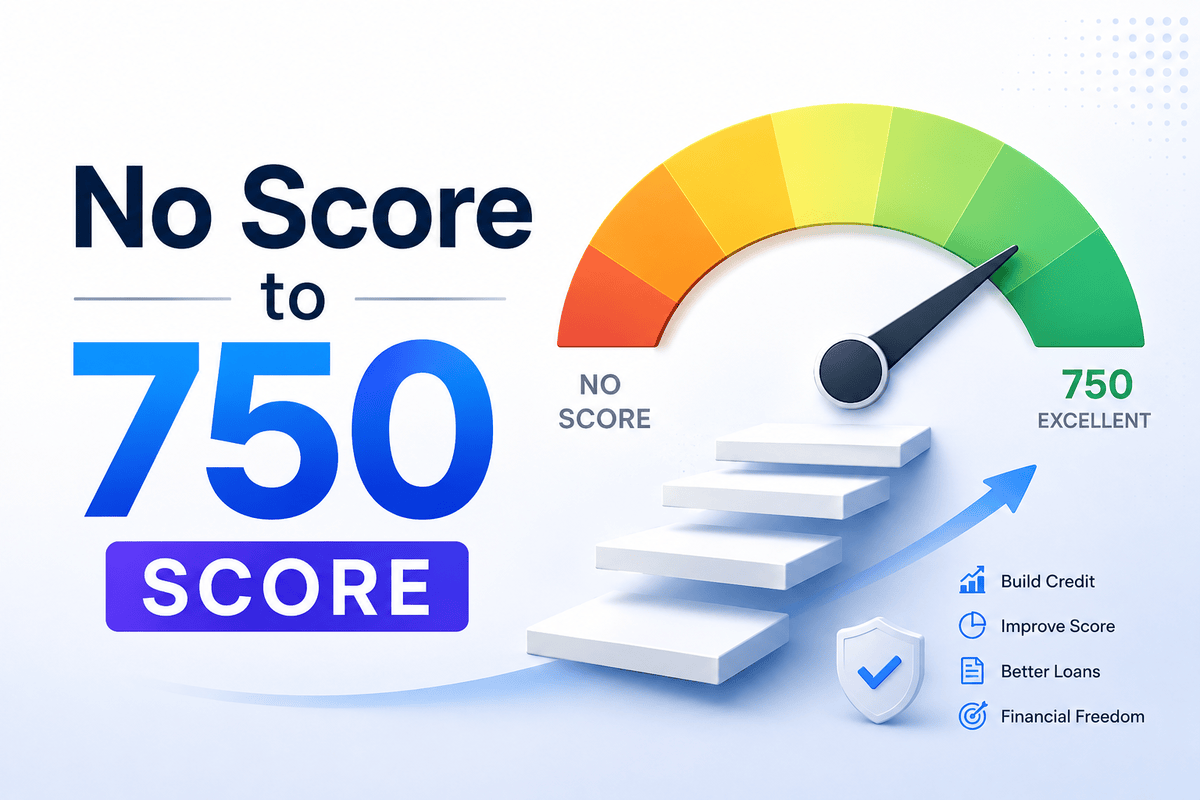
Borrow → repay on time → build repayment history → create a stronger credit profile over time.
But there is an important detail behind that process.
1. You open a reported credit account
A person who has never borrowed may have little or no conventional credit history. This is commonly described as being New-to-Credit (NTC) or having a thin credit file.
A credit product reported to a bureau can add an account to that person's credit history.
The bureau can then receive information about the account, such as its status, outstanding amount and repayment behaviour.
2. Your repayment behaviour creates a credit trail
Every successfully reported payment contributes information about how you handle your borrowing obligations.
This is the mechanism often described as a positive payment flag: the credit record reflects that a scheduled payment was made as agreed rather than being reported as overdue or missed.
It is important to understand that a positive payment record is not a guaranteed score booster. Your CIBIL Score is based on your overall credit information, and different factors can influence it.
CIBIL's own information on microfinance reports includes payment history, open and closed accounts, credit enquiries and outstanding information.
3. You start creating a paper trail
For someone with no previous borrowing history, the biggest benefit of responsible credit may simply be having a documented track record.
This paper trail can eventually give lenders more information to assess when you apply for future credit.
That does not mean a small loan guarantees approval for your next personal loan, credit card or vehicle loan. Lenders make their own decisions based on their eligibility criteria and your complete financial profile.
4. Responsible behaviour matters more than the loan size
A ₹2,000 loan repaid properly can demonstrate responsible behaviour just as a larger loan can.
Conversely, a small EMI that you miss is still a missed payment.
That is why the purpose of a credit-building loan should never be to borrow as much as possible. The objective is to use a manageable amount of credit and demonstrate that you can handle it responsibly.
How to Use a Small Loan to Build Credit: Step by Step
If your goal is to build credit rather than simply access cash, follow a disciplined process.
Step 1: Check your existing credit position
Before applying, find out whether you already have a CIBIL Score or credit history.
You may discover that you already have an account from a previous loan, credit card or other reported credit facility.
If you have no meaningful history, you may fall into the NTC category.
Step 2: Choose a lender carefully
Do not choose a loan merely because the application is quick or the amount is small.
Check who the actual lender is, what the product costs, how repayment works and whether the credit account is reported to the relevant bureaus.
For digital lending, RBI has issued guidelines governing lending through digital platforms and the responsibilities of banks and NBFCs involved in such arrangements.
Step 3: Borrow only a manageable amount
A credit-building loan should fit comfortably within your monthly budget.
If an EMI would stretch your finances, the loan is probably too large for your current situation.
The purpose is to establish responsible behaviour—not to create unnecessary debt.
Step 4: Understand the repayment schedule
Before accepting the loan, check:
EMI amount
Due date
Tenure
Total repayment obligation
Applicable charges
Late-payment consequences
Never rely only on the headline loan amount.
Step 5: Set up reminders
Missing a payment because you forgot the due date is avoidable.
Set a reminder several days before the EMI date or use an authorised auto-debit facility if it suits your circumstances.
Step 6: Repay every EMI on time
This is the most important part.
A credit-building strategy only works when the repayment behaviour is responsible.
One missed payment can undermine the positive history you are trying to create.
Step 7: Monitor your credit report
After making repayments, periodically check your credit report to ensure that the account information and payment status are being reported correctly.
If you find an error, raise it with the relevant lender or bureau rather than ignoring it.
How Much Is a Micro-Loan and How Fast Can It Build Credit?
For small-ticket credit products discussed as credit-building options, ₹1,000 to ₹10,000 can be an indicative range. However, lenders may offer amounts outside this range, so there is no fixed industry-wide micro-loan amount.
The timeline also needs realistic expectations.
A 3–6 month period can be considered an indicative starting point for establishing a repayment track record, particularly for someone new to credit. However, that does not mean everyone will receive a CIBIL Score or see a specific increase within exactly three or six months.
Your credit profile depends on factors such as:
Whether the lender reports the account
How frequently information is updated
Your repayment history
Existing credit accounts
Outstanding balances
Credit enquiries
Overall credit behaviour
So, don't take a loan expecting a guaranteed score increase after a particular number of EMIs.
Think of the first few months as the beginning of your credit history—not a shortcut to a particular score.
What Are the Risks of Using Micro-Loans for Credit Building?
The biggest mistake is treating a credit-building loan as if there is nothing to lose because the amount is small.
There is.
A missed micro-EMI can hurt
If the lender reports your account and you fail to repay on time, the resulting negative repayment information can affect your credit profile.
The same mechanism that can help demonstrate responsible behaviour can therefore work in the opposite direction.
Small loans can become multiple loans
Taking one small loan may seem harmless. Taking several at the same time can create a very different financial picture.
Multiple applications can also result in additional credit enquiries, depending on how lenders assess your application.
The cost still matters
A loan taken purely for credit building may not make financial sense if its fees or other costs are disproportionate to the benefit.
Your credit score is important, but it should not come at the cost of financial stress.
Beware of unverified lending apps
Before borrowing through a digital platform, identify the actual regulated lender and understand the relationship between the app/platform and the lender.
RBI has taken action against entities for irregular digital lending practices, which is a reminder that borrowers should verify the lending arrangement rather than trusting an app simply because it is available online.
Micro-Loan vs Credit Builder Loan vs Secured Card
These products can all be used in a credit-building strategy, but they work differently.
Option | How it works | Best suited for |
Micro/small-ticket loan | Borrow a small amount and repay through scheduled instalments | Someone looking for a small, structured borrowing experience |
Credit builder loan | Designed specifically around establishing or strengthening credit history through structured repayment | NTC or thin-file borrowers |
Secured credit card | A security deposit backs the card's credit limit; responsible usage and repayment can build credit history | Someone comfortable managing revolving credit |
The right choice depends on your financial situation, eligibility and repayment capacity.
If you are comparing products in more detail, see what is a credit builder loan and, once published, credit builder loan vs secured card.
The important distinction is this: credit building should be a by-product of responsible borrowing, not a reason to take on debt you do not need.
How Credit Assist Can Help
For someone looking for a structured starting point, PayMe Credit Assist offers a builder loan starting from ₹999, subject to applicable eligibility and product terms.
The small-ticket structure can make it easier to understand the repayment commitment before taking on a larger credit obligation.
However, the ₹999 starting amount itself does not guarantee a CIBIL Score increase.
The potential credit-building value comes from responsible use: taking only what you can repay, understanding the repayment schedule and making payments on time.
If you're exploring a first credit product, review the complete terms and charges before applying.
You can explore the Credit Assist plan for current product information.
For readers who have never borrowed before, you can also explore get your first loan with no credit history.
What Is the CIBIL Microfinance Score?
The CIBIL Microfinance Score is different from the regular CIBIL consumer score.
According to CIBIL, it is a three-digit score ranging from 300 to 900 that reflects the creditworthiness of a microfinance borrower. CIBIL states that its Microfinance Report contains information such as payment history, open and closed accounts and credit enquiries relating to microfinance loans.
TransUnion CIBIL explains that the Microfinance Score is based exclusively on microfinance tradelines and is designed to help lenders assess the credit risk of microfinance borrowers. It also identifies factors including repayment behaviour, delinquency, utilisation, trade frequency and credit vintage.
Therefore, a person reading about micro-loans for credit building should not automatically assume that every small personal loan is the same as an MFI loan or that every such loan is scored under the CIBIL Microfinance Score.
Conclusion: Build Credit, Don't Just Borrow
A small loan can allow an NTC or thin-file borrower to start creating a formal credit track record.
But the loan amount is not what builds your reputation.
Your repayment behaviour does.
Choose a lender carefully, confirm how the account is reported, borrow only an amount you can comfortably repay and make every EMI on time. A small, well-managed credit account can become one step towards a stronger credit history; a poorly managed one can do the opposite.
If you are considering a structured small-ticket credit option, explore Credit Assist and understand the terms before making a decision.
Disclaimer: This article is for educational purposes only and does not guarantee loan approval, a CIBIL Score, or any specific improvement in credit score. Credit reporting, eligibility, pricing and lending decisions are subject to the lender's policies and applicable regulations. Borrow responsibly and review the product terms before applying.
Frequently Asked Questions
Can a small loan build my CIBIL Score?
How much is a micro-loan usually?
How fast can a micro-loan build credit?
Do micro-loans hurt your CIBIL Score?
What is the CIBIL Microfinance Score?
About the Author
Himanshu Mishra
@himanshu
View all posts →