Personal Loan Rejected? Top Reasons & How to Get Approved Next Time
❤️ Spread the Love
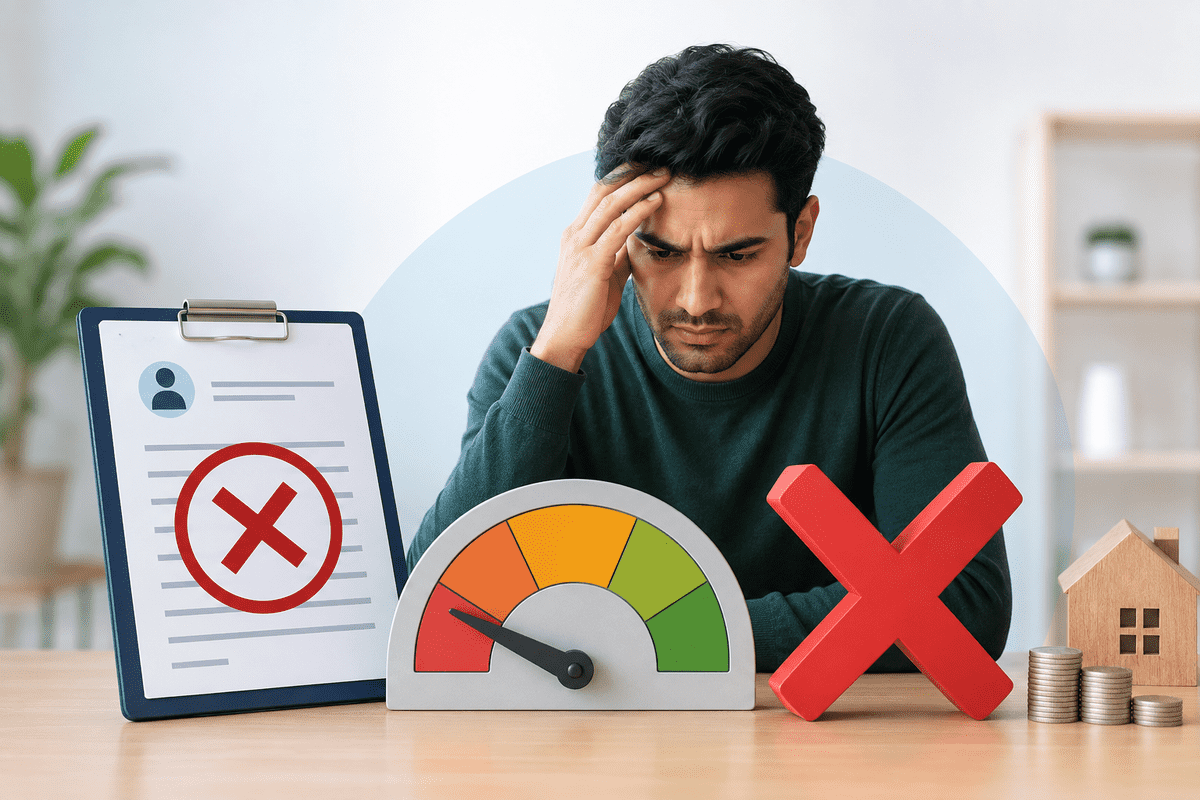
Applying for a personal loan is often a straightforward way to meet financial needs, whether it's for a medical emergency, home renovation, education, or debt consolidation. However, receiving a loan rejection can be frustrating and confusing—especially if you believed you met the eligibility criteria.
The good news is that a rejected loan application doesn't mean you'll never qualify. Lenders evaluate multiple aspects of your financial profile before approving a loan, and understanding these factors can help you improve your chances the next time you apply.
In this guide, we'll discuss the top reasons why personal loans are rejected and share practical tips to help you secure approval on your next application.
Why Do Personal Loan Applications Get Rejected?
Banks and financial institutions carefully assess every applicant before approving a loan. Their goal is to minimize lending risk and ensure borrowers can comfortably repay the loan.
Here are the most common reasons your personal loan application may have been rejected.
1. Low Credit Score
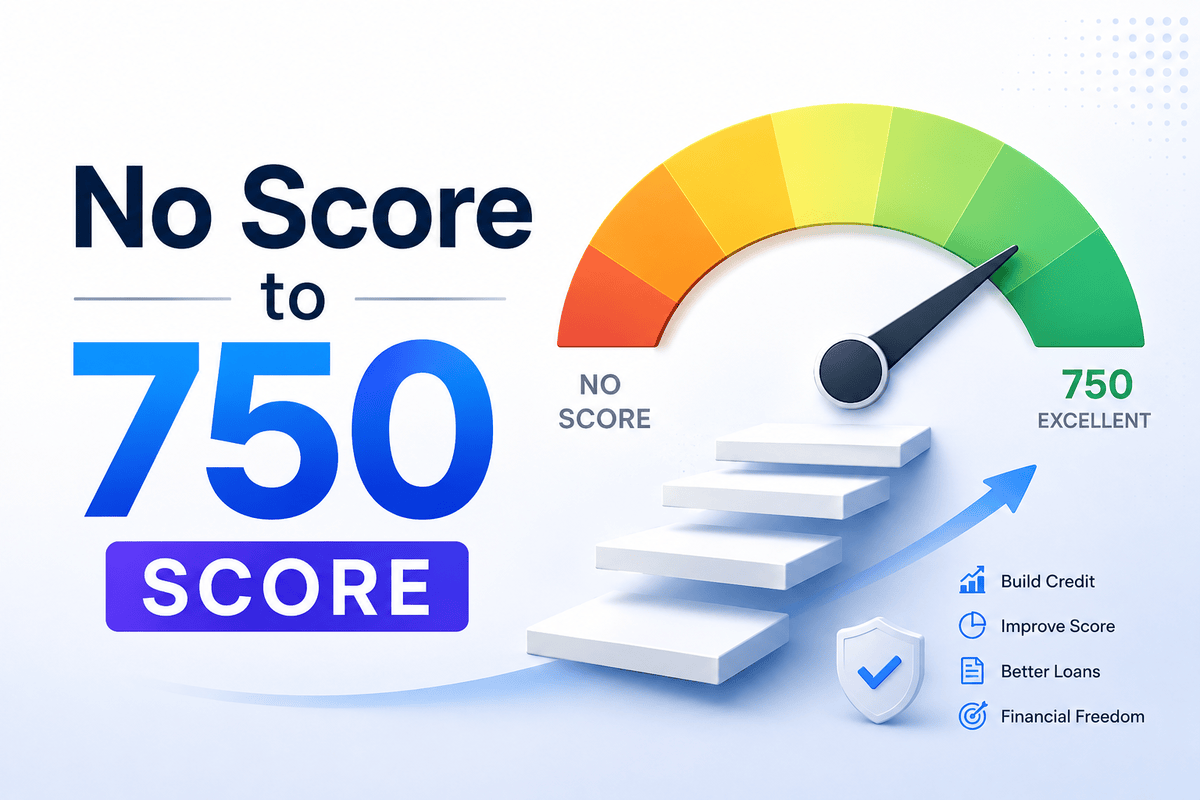
Your credit score is one of the most important factors lenders consider. It reflects your borrowing history and repayment behavior.
A score of 750 or above is generally considered good and improves your chances of approval. If your score is lower, lenders may view you as a higher-risk borrower.
How to Improve It
Pay all EMIs and credit card bills on time.
Keep your credit utilization below 30%.
Avoid missing payments.
Review your credit report regularly for errors.
2. High Debt-to-Income Ratio
Your Debt-to-Income (DTI) ratio compares your monthly debt obligations with your monthly income.
If you already spend a large portion of your income on existing EMIs or loans, lenders may believe you won't be able to manage another repayment.
Tip
Reduce outstanding debts before applying for another personal loan.
3. Insufficient Income
Every lender has minimum income requirements. If your salary or monthly income doesn't meet these requirements, your application may be declined regardless of your credit score.
What You Can Do
Apply for a smaller loan amount.
Include additional income if accepted.
Wait until your income improves.
4. Too Many Loan Applications
Applying to several lenders within a short period can negatively impact your credit profile.
Each application usually generates a hard inquiry on your credit report, which may slightly reduce your credit score.
Best Practice
Compare lenders carefully and apply only where you meet the eligibility criteria.
5. Unstable Employment
Lenders prefer borrowers with stable employment because it indicates consistent income.
Frequent job changes or being in a probation period may reduce your approval chances.
If possible, wait until you've completed your probation or established a longer employment history before applying.
6. Errors in Your Credit Report
Credit reports occasionally contain incorrect information that can affect loan decisions.
Examples include:
Incorrect outstanding balances
Duplicate loan accounts
Wrong payment history
Incorrect personal information
Always review your credit report before applying and dispute any inaccuracies promptly.
7. Incomplete or Incorrect Documents
Missing or incorrect documentation is another common reason for loan rejection.
Typically required documents include:
PAN Card
Aadhaar Card
Salary slips
Bank statements
Address proof
Income proof
Ensure all documents are accurate and up to date before submitting your application.
8. Existing Loan Defaults
Previous defaults or settled loans indicate repayment issues and increase lending risk.
Clear any overdue accounts before applying for another loan to improve your approval chances.
9. High Credit Utilization Ratio
Credit utilization measures how much of your available credit limit you're currently using.
For example:
Credit Limit: ₹1,00,000
Outstanding Balance: ₹85,000
This represents an 85% utilization ratio, which is considered high.
Financial experts generally recommend keeping utilization below 30%.
10. Applying for a Loan Amount Beyond Your Repayment Capacity
Many applicants request higher loan amounts than they can comfortably afford.
Lenders evaluate your repayment ability based on your income and existing obligations.
Choosing a realistic loan amount significantly improves your approval chances.
How to Increase Your Chances of Loan Approval
If your application has been rejected, don't apply again immediately. Instead, follow these practical steps:
1)Improve Your Credit Score
Make all loan and credit card payments on time and maintain a healthy repayment history.
2)Lower Your Existing Debt
Pay off smaller loans and reduce outstanding credit card balances.
3)Wait Before Reapplying
Give yourself 3–6 months to strengthen your financial profile before submitting another application.
4)Check Eligibility in Advance
Many lenders provide eligibility calculators that help you determine whether you qualify before applying.
5) Maintain Stable Employment
A consistent job history demonstrates financial stability.
6) Submit Complete Documentation
Double-check all required documents to avoid unnecessary delays or rejection.
What Should You Do After a Personal Loan Rejection?
Receiving a rejection isn't the end of your borrowing journey. Here's what you should do next:
Understand the reason for rejection.
Review your credit report carefully.
Correct any reporting errors.
Improve your credit score.
Reduce outstanding debt.
Avoid multiple loan applications.
Apply only after strengthening your financial profile.
These steps can significantly improve your chances of approval the next time you apply.
Conculsion
A personal loan rejection can feel discouraging, but it's often an opportunity to improve your financial health. Most loan applications are rejected due to factors such as low credit scores, high debt-to-income ratios, insufficient income, unstable employment, or incomplete documentation.
By understanding these common reasons and taking proactive steps to strengthen your credit profile, you can greatly improve your chances of approval in the future. Before applying again, review your credit report, reduce existing debt, maintain timely repayments, and ensure you meet the lender's eligibility requirements.
A little preparation today can make all the difference when you submit your next personal loan application.
Frequently Asked Questions
Why was my personal loan application rejected?
Does a rejected personal loan affect my credit score?
What credit score is ideal for a personal loan?
How long should I wait before applying again?
Can I get a personal loan with a low credit score?
Does applying to multiple lenders affect my credit score?
About the Author
Himanshu Mishra
@himanshu
View all posts →