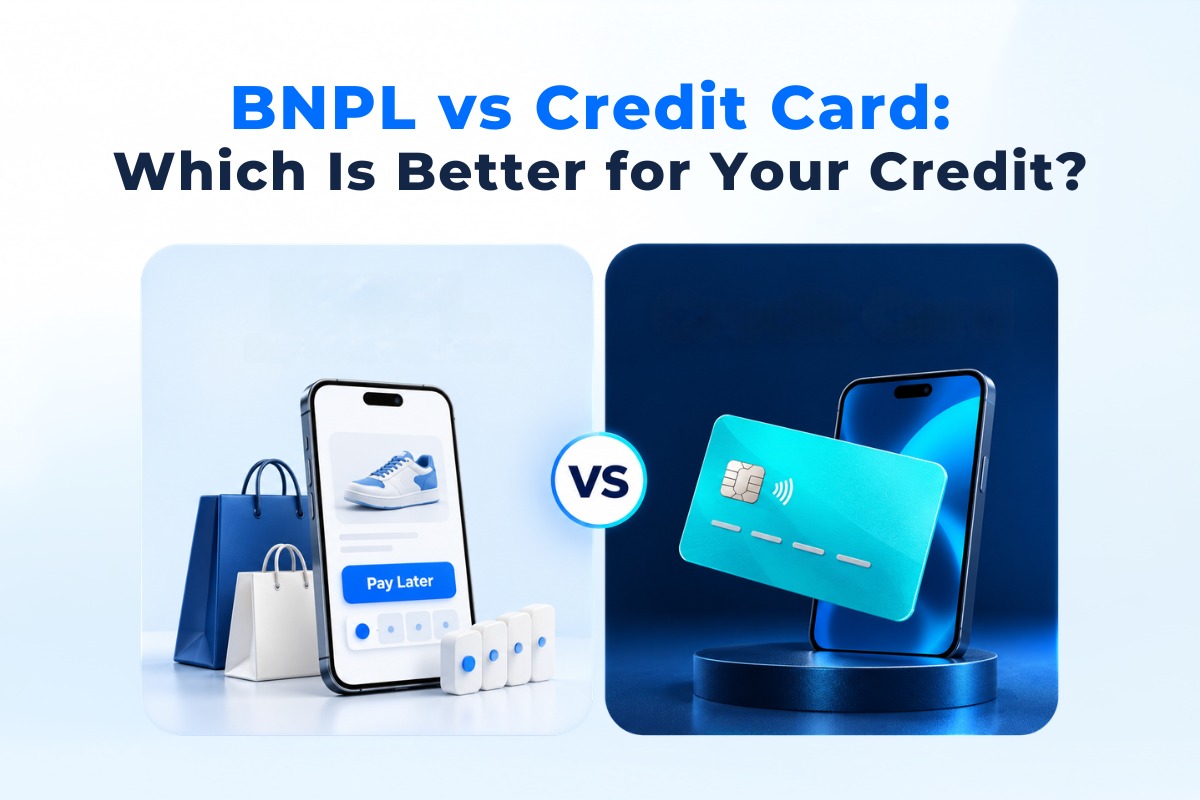
BNPL vs Credit Card: Which Is Better for Your Credit?
❤️ Spread the Love
If your main goal is building credit, a credit card is generally the stronger long-term option when used responsibly. BNPL can be easier to access and useful for short-term purchases, but its effect on your credit history depends on the provider and how the account is reported. Missed payments on either product can create problems.
What Is the Difference Between BNPL and a Credit Card?
BNPL lets you split or defer payment for a specific purchase, while a credit card provides a reusable credit limit that can be used across multiple transactions. The repayment structure, fees, acceptance and credit reporting can therefore differ considerably.
Buy Now Pay Later (BNPL) is generally linked to a particular purchase or merchant transaction. Depending on the product, you may repay the amount after a short period or through fixed installments. A credit card provides a revolving line of credit up to an approved limit. You can use it repeatedly as you repay what you owe, subject to the card's terms and available limit.
The biggest difference for someone concerned about credit history is reporting. A credit card is an established form of revolving credit that can contribute to a long-term credit record when managed responsibly. BNPL reporting varies by product and provider, although RBI's digital-lending framework requires covered lending, including certain deferred-payment products, to be reported to credit information companies.
BNPL vs Credit Card: Which Is Better for Your Credit?
For long-term credit building, a responsibly managed credit card is generally the better-established option because regular payments, account history and credit utilisation can contribute to your credit profile. BNPL can still be useful, but its credit-reporting treatment varies by provider and product.
Factor | BNPL | Credit Card |
Purpose | Usually linked to a specific purchase | Reusable credit limit |
Eligibility | Often easier for new-to-credit users | Usually involves credit and income assessment |
Repayment | Fixed instalments or a defined pay-later period | Statement balance or minimum amount, depending on usage |
Interest | May be interest-free within the specified period; charges vary by plan | Interest can apply when the full outstanding balance is not paid |
Credit reporting | Depends on the product and provider; covered digital lending is subject to reporting requirements | Established credit reporting mechanism |
Credit building | Can contribute where reported, but reporting varies | Stronger established route for long-term credit history |
Credit utilisation | Generally not the same revolving utilisation structure as a card | An important consideration for revolving credit |
Late payment risk | Late fees and possible bureau impact | Late fees, interest and possible bureau impact |
Acceptance | Usually restricted to participating merchants or platforms | Broad merchant acceptance |
Best suited for | Short-term, planned purchases | Regular spending and long-term credit management |
The important point is that BNPL is not automatically “bad for your credit” and a credit card is not automatically “good for your credit.” Your repayment behaviour and the way the account is reported matter.
How Does BNPL Affect Your Credit Score?
BNPL can affect your credit profile when the underlying credit facility is reported to a credit bureau, but the exact impact depends on the provider, lending structure and reporting practice. You should not assume that every BNPL product is treated identically. Earlier BNPL products were often less visible in traditional credit reporting. The regulatory position has evolved, and RBI has required lending through digital lending channels, including applicable deferred-payment products, to be reported to credit information companies.
This means a missed BNPL payment should not be treated as harmless simply because the purchase was small. Depending on the product and reporting arrangement, overdue payments can affect your credit history. At the same time, timely BNPL payments may not provide the same long-term credit-building benefit as a traditional credit card if the provider does not report positive repayment information in a way that contributes to your credit profile.
Before using BNPL regularly, check who the actual lender is, whether the facility is reported to credit bureaus and what happens if you miss the due date.
How Does a Credit Card Affect Your Credit Score?
A credit card can help establish a stronger credit history because responsible use creates a record of borrowing, repayment and revolving credit management. Payment history and credit utilisation are particularly important considerations when managing a card.
For example, suppose your card has a ₹1,00,000 limit and you regularly use ₹20,000 but clear the bill on time. Your utilisation is 20% for that billing period. If you consistently use most of your available limit, the utilisation ratio can become a consideration even when you pay on time.
Payment behaviour matters just as much. Missing the payment deadline can result in charges and can negatively affect your credit profile if the account is reported as overdue. A credit card therefore works best as a credit-building tool when you spend within your means and pay the full statement balance by the due date.
BNPL vs Credit Card: Which Is Cheaper?
Neither product is automatically cheaper. The actual cost depends on whether the facility is genuinely interest-free, what fees apply, and whether you make every payment on time. Some BNPL plans offer a no-interest repayment period, but late fees or other charges may apply if you miss the agreed payment date. Some instalment-based BNPL products can also have processing charges or financing costs.
Credit cards can provide an interest-free period when the full statement balance is paid within the applicable period. However, carrying an unpaid balance can become expensive because credit-card interest rates can be substantially higher than many other forms of borrowing. The right comparison is therefore not simply BNPL vs credit card interest rate. Check the total amount payable, late fees, processing charges, interest terms and repayment schedule before choosing either option.
Which Is Better for Building Credit?
A credit card is generally the better choice for someone whose primary objective is to build a long-term credit record, provided they can manage the card responsibly and meet the lender's eligibility requirements. A credit card creates an ongoing account that can demonstrate how you manage revolving credit over time. Responsible payments and sensible utilisation can provide useful information to lenders when you later apply for a loan.
BNPL can be useful when you need a small, planned purchase and do not yet have a credit card. However, its usefulness for credit building depends on whether the provider reports the account and repayment information to the relevant credit bureaus. If you are specifically trying to establish credit, compare the reporting structure before choosing the product rather than assuming that every form of pay-later credit will build your score.
When Does BNPL Make Sense?
BNPL can make sense for a small, planned purchase when the repayment schedule fits comfortably within your monthly budget and you understand the total cost before accepting the facility. It may be particularly useful for someone who is new to formal credit and does not yet qualify for a preferred credit card. However, convenience should not become a reason to accumulate several small obligations across different platforms.
For example, using one BNPL facility for a planned ₹5,000 purchase that you can comfortably repay is very different from taking multiple BNPL plans for everyday expenses and losing track of several due dates. If you already struggle with repayment discipline, BNPL's easy checkout experience can increase the risk of taking on credit without considering the cumulative monthly obligation.
What Should You Choose If You Are New to Credit?
If you are new to credit and eligible for a suitable card, a low-limit credit card that you can comfortably manage may be more useful for building a long-term credit history than relying on multiple BNPL facilities.
A secured credit cards option can also be relevant for some new-to-credit borrowers. These cards are generally backed by a fixed deposit and can offer an entry point for people who may not qualify for a conventional unsecured card. However, the product should still be evaluated on its fees, terms, reporting and repayment requirements. A secured card is not a shortcut to a strong credit profile; responsible usage remains essential.
If you are not eligible for a credit card yet, using BNPL sparingly for a genuine need may be an option, but do not take BNPL simply because it is easier to obtain.
Can BNPL Hurt Your Credit Score?
Yes, BNPL can hurt your credit profile if the underlying facility is reported and you fail to repay it according to the agreed terms. Late payments can also result in additional fees, making a small purchase more expensive.
The exact bureau impact depends on how the BNPL facility is structured and reported. This is why borrowers should check the provider's terms rather than assuming that a BNPL account has no relationship with their credit report. The safest approach is simple: treat BNPL as credit, not as an extension of your income. Use it only when the repayment is affordable and keep track of the exact due date.
If you are worried about a credit score drop, review your payment history, outstanding balances and recent credit applications instead of assuming that BNPL alone caused the change.
How Can You Use a Credit Card Without Damaging Your Credit?
The safest approach is to use only a manageable portion of your available limit, pay the full statement balance on time and avoid taking on credit simply because a higher limit is available. Do not confuse the minimum amount due with the full amount you need to pay to avoid carrying a balance. Paying only the minimum can keep the account from becoming immediately overdue under the card's terms, but the remaining balance can continue to attract interest.
You should also avoid applying for multiple cards within a short period simply to increase your available credit. Each application may involve a credit enquiry, depending on the issuer's process. Consistent payments and controlled spending matter more than collecting several cards.
How Credit Assist Can Help You Manage Credit Better
Credit Assist can help you monitor your credit health and understand the factors that influence your credit profile before you take on additional borrowing.
For someone comparing BNPL and credit cards, the value is not just checking a score. Monitoring your credit information can help you understand repayment behaviour, identify changes and make more informed decisions before applying for future credit.
If you are starting your credit journey, Credit Assist can also help you build better credit habits rather than treating credit as simply a way to delay payment.
Conclusion:
If your priority is building and maintaining credit, a responsibly managed credit card is generally the better long-term choice. BNPL is more useful as a short-term payment option when you understand its repayment terms and can comfortably meet every due date.
Do not choose either product solely because it is easy to access. Compare the lender, reporting, fees, repayment schedule and total cost first. Your best credit decision is the one you can repay consistently.
Frequently Asked Questions
Is BNPL or a Credit Card Better for My Credit Score?
Does BNPL Build Credit?
Can BNPL Hurt My CIBIL Score?
Do I Need a Credit Score for BNPL?
Which Is Cheaper, BNPL or a Credit Card?
Can a Credit Card Improve Your Credit History?
About the Author
Khushi Mishra
@khushi.mishra@paymeindia.in
View all posts →