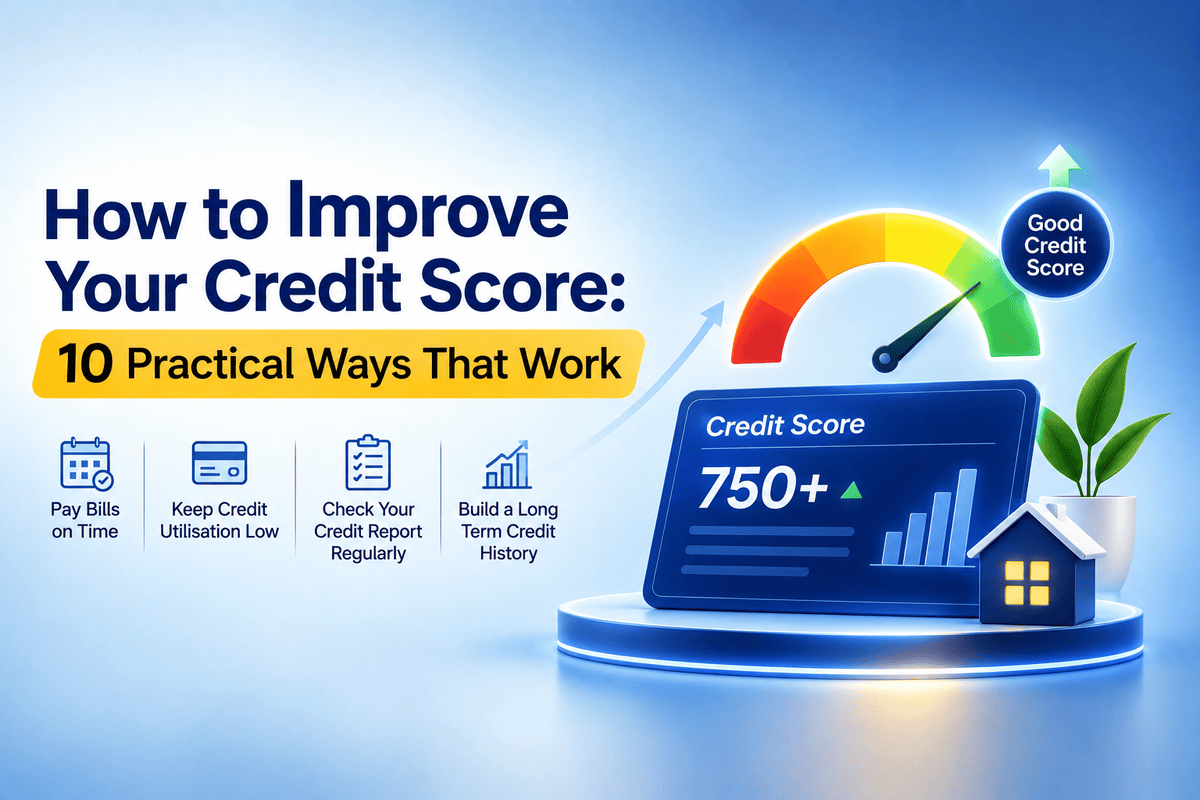
How to Improve Your Credit Score: 10 Practical Ways That Work
❤️ Spread the Love
A low credit score can make getting a loan or credit card more difficult. The good news is that your credit score is not permanent. You can improve it by building better credit habits, paying your dues on time, reducing outstanding balances, and keeping an eye on your credit report.
If you are wondering how to improve your credit score, start with the basics: pay every EMI and credit-card bill on time, keep your credit utilisation under control, avoid applying for multiple loans or cards in a short period, and check your credit report regularly for errors.
What Is a Good Credit Score?
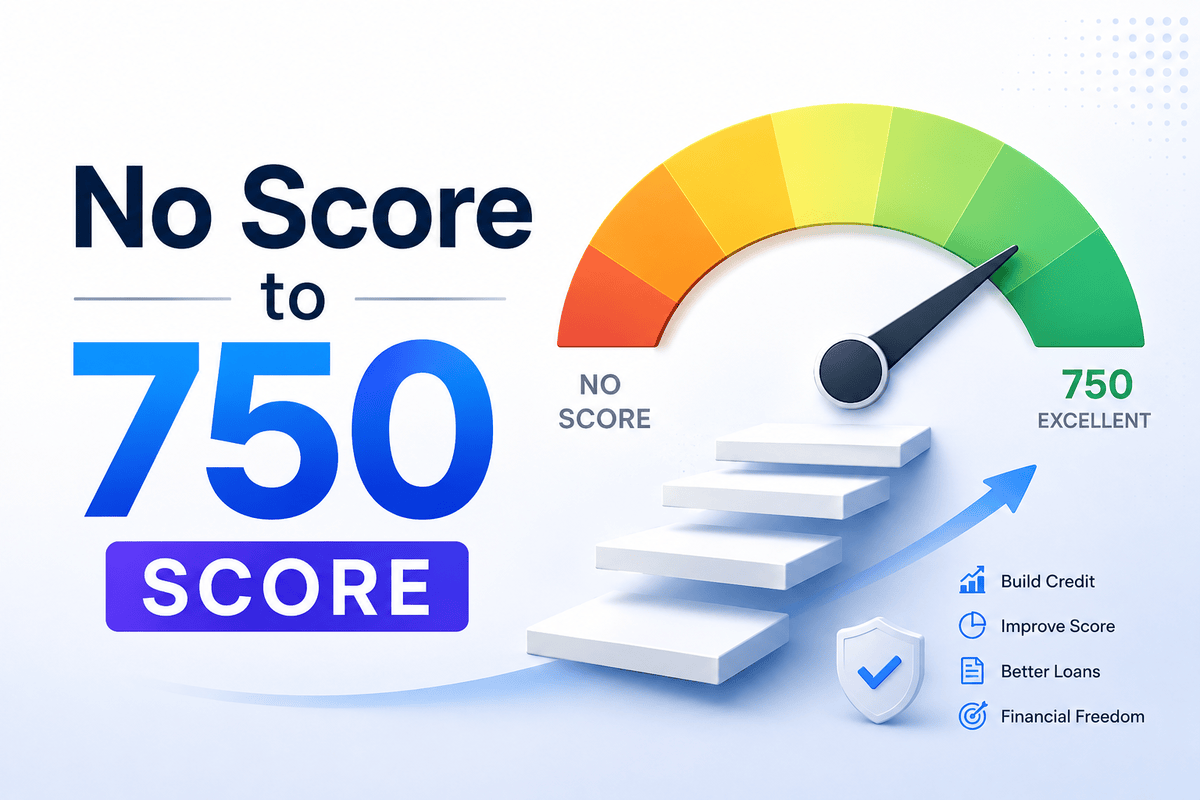
A credit score generally ranges from 300 to 900. A higher score indicates a stronger credit history, although lenders do not approve or reject applications based on the score alone. A score of 750 or above is generally considered a good credit score, but the exact criteria can vary between lenders and products.
Your repayment history, existing credit accounts, credit utilisation, length of credit history and recent credit activity can all influence your credit profile.
How Can You Improve Your Credit Score?
Improving your credit score is usually a process rather than an overnight change. Here are 10 practical steps that can help.
1. Pay Your EMIs and Credit Card Bills on Time:
Your payment history is one of the most important parts of your credit profile.
Missing an EMI or paying your credit-card bill late can negatively affect your credit history, particularly when the overdue amount is reported by the lender. The simplest habit is also one of the most important: never miss a payment due date. You can set up reminders or automatic payments for your regular EMIs and bills so that a busy schedule does not result in an avoidable delay.
Does paying bills on time improve CIBIL score? Yes. Consistent, timely repayments help build a healthier credit history over time.
2. Keep Your Credit Utilisation Under Control:
Credit utilisation refers to how much of your available revolving credit you are using.
For example, if your total credit-card limit is ₹1,00,000 and your outstanding balance is ₹30,000, your utilisation is 30%. A consistently high utilisation can indicate that you are relying heavily on your available credit. Keeping your balances manageable can therefore help maintain a healthier credit profile.
Instead of regularly reaching your credit limit, try to maintain a comfortable gap between your available limit and the amount you use.
3. Avoid Applying for Too Many Loans or Credit Cards:
Every time you formally apply for credit, the lender may make a hard inquiry on your credit report. Multiple credit applications within a short period can make you appear more credit-seeking and may affect your credit profile.
This does not mean you should never apply for credit. The important thing is to apply selectively and only when you genuinely need it.
Before applying, compare your options and understand the eligibility requirements.
4. Check Your Credit Report for Errors:
Sometimes your credit report may contain inaccurate or outdated information.
For example, you may find:
A loan marked as outstanding even after repayment
A payment incorrectly reported as late
An account that does not belong to you
Incorrect personal information
Duplicate credit accounts
If you find an error, raise a dispute with the relevant credit bureau or lender and follow the resolution process.
Can an incorrect credit report lower your CIBIL score? Yes. Inaccurate information reported to a credit bureau can affect the information used to calculate your credit score. Reviewing your report can help you identify issues that need correction.
5. Don't Close Old Credit Accounts Without Considering the Impact:
Closing a credit card is not automatically a bad decision. However, you should understand how closing an account could affect your overall credit profile.
For example, closing a card can reduce your total available credit. If your spending remains the same, your overall credit utilisation could increase. Older accounts can also contribute to the length and history of your credit profile. So before closing an old credit card, consider your overall credit situation rather than making the decision based only on whether you currently use the card.
6. Maintain a Healthy Credit Mix:
Having different types of credit can demonstrate how you manage different forms of borrowing. Your credit profile may contain secured credit, such as a home loan or vehicle loan, and unsecured credit, such as credit cards or personal loans.
However, you should not take a loan simply to create a credit mix.
Borrow only when you have a genuine financial requirement and can comfortably manage the repayment.
7. Keep Your Outstanding Debt Manageable:
Having several active loans or large outstanding balances can put pressure on your finances. If you are trying to improve your credit profile, focus on bringing down expensive or high-interest outstanding balances while continuing to make all required payments on time.
Creating a simple monthly repayment plan can help you stay organised.
The objective is not simply to have zero debt. It is to demonstrate responsible management of the credit you already have.
8. Avoid Becoming a Co-Applicant or Guarantor Without Understanding the Risk
When you become a co-borrower or guarantor, you may share responsibility for the credit obligation. If the primary borrower fails to make repayments, the situation can potentially affect your own credit profile as well.
Before agreeing to become a guarantor or co-applicant, understand the loan terms and your potential responsibility if repayments are missed.
9. Don't Believe Anyone Promising an Instant Score Increase:
There is no legitimate shortcut that can guarantee a specific increase in your credit score overnight.
Be cautious if someone promises:
“We can increase your score by 100 points in seven days.”
Credit scores are based on information in your credit history. Improving that history generally requires consistent financial behaviour over time. If your report contains genuine errors, correcting those errors can be useful. But no legitimate service can simply erase accurate negative information because you paid for it.
10. Monitor Your Credit Profile Regularly:
Checking your own credit report can help you understand your current financial position and spot potential problems early.
You can monitor:
Your active credit accounts
Repayment information
Credit enquiries
Outstanding balances
Personal information
Accounts you do not recognise
Regular monitoring is particularly useful before applying for a major loan because it gives you an opportunity to identify and address discrepancies beforehand.
How Long Does It Take to Improve a Credit Score?
There is no fixed number of days or months required to improve a credit score.
The timeline depends on what is affecting your credit profile. If your score is low because of inaccurate information, resolving a genuine reporting error may help once the corrected information is reflected in your credit report. If the problem is missed payments, high balances or excessive credit applications, improvement generally requires consistent responsible behaviour over time.
The important thing is to focus on sustainable habits rather than looking for a quick score increase.
Can You Improve Your Credit Score in 30 Days?
You may be able to take actions within 30 days that put your credit profile on a better path, but there is no guarantee that your credit score will increase by a specific number of points within 30 days.
During this period, you can:
Check your credit report.
Identify inaccurate information.
Pay overdue amounts where possible.
Reduce high credit-card balances.
Avoid unnecessary credit applications.
Set reminders for upcoming payments.
The effect of these actions on your score depends on your individual credit history and when updated information is reported.
Does Checking Your Own Credit Score Reduce It?
No. Checking your own credit score or credit report does not normally lower your score. The distinction is between checking your own credit information and a lender making a credit enquiry when you apply for a loan or credit card.
This is why monitoring your credit report can be a useful habit, especially when you are planning to apply for credit.
What Should You Do If Your Credit Score Has Suddenly Dropped?
If your CIBIL score drops unexpectedly, don't immediately apply for another loan or credit card.
First, review your credit report and look for:
Missed or delayed payments
Higher credit utilisation
New credit enquiries
Newly reported accounts
Changes in outstanding balances
Incorrect information
Accounts that you do not recognise
Finding the reason behind the drop is the first step toward deciding what to do next.
Can a Credit Score Increase After Paying Off a Loan?
Paying off a loan is generally a positive financial step, but it does not guarantee an immediate increase in your CIBIL score.
Your credit score reflects multiple aspects of your credit history, not just whether one particular loan has been repaid. After repayment, make sure the account is correctly updated in your credit report and that there are no outstanding dues or reporting errors associated with it.
Conclusion:
The most reliable way to improve your CIBIL score is to build a consistent history of responsible credit behaviour. Pay your EMIs and credit-card bills on time, keep your credit utilisation under control, avoid unnecessary applications, manage your existing debt responsibly and review your credit report for errors.
There is no magic number of days in which everyone's score will improve. Instead of chasing a quick increase, focus on creating financial habits that can keep your credit profile healthy over the long term.
Frequently Asked Questions
What is the fastest way to improve a CIBIL score?
Is 750 a good CIBIL score?
Can a CIBIL score increase by 100 points?
Does closing a credit card reduce CIBIL score?
Can I improve my CIBIL score without taking a new loan?
About the Author
Khushi Mishra
@khushi.mishra@paymeindia.in
View all posts →